Sorority Recruitment at the University of Washington
Come learn what freshman year could really look like: living in the sorority house from day 1, built-in mentorship, career connections, and a community — all before classes even start.
Plus, learn about cost savings compared to dorms and how sorority GPAs are higher than the UW average.
Whether you're ready to sign up or just want to learn more — start here.
(Virtually) on Microsoft Teams
Hear from current freshmen, Panhellenic & OFSL representatives, alumni & advisors.
Open to incoming freshmen and their families.
Ask us anything!
Register for Fall 2026 Primary Sorority Recruitment.
Deadline:
August 22, 2026
Watch a recording of a past Q&A on YouTube anytime.
Watch on YouTube →Scroll to explore housing, academics, myths & more
A breakdown of typical sorority vs. dorm costs at UW. Chapter costs vary — see the PHA chapter finance sheets for per-chapter details.
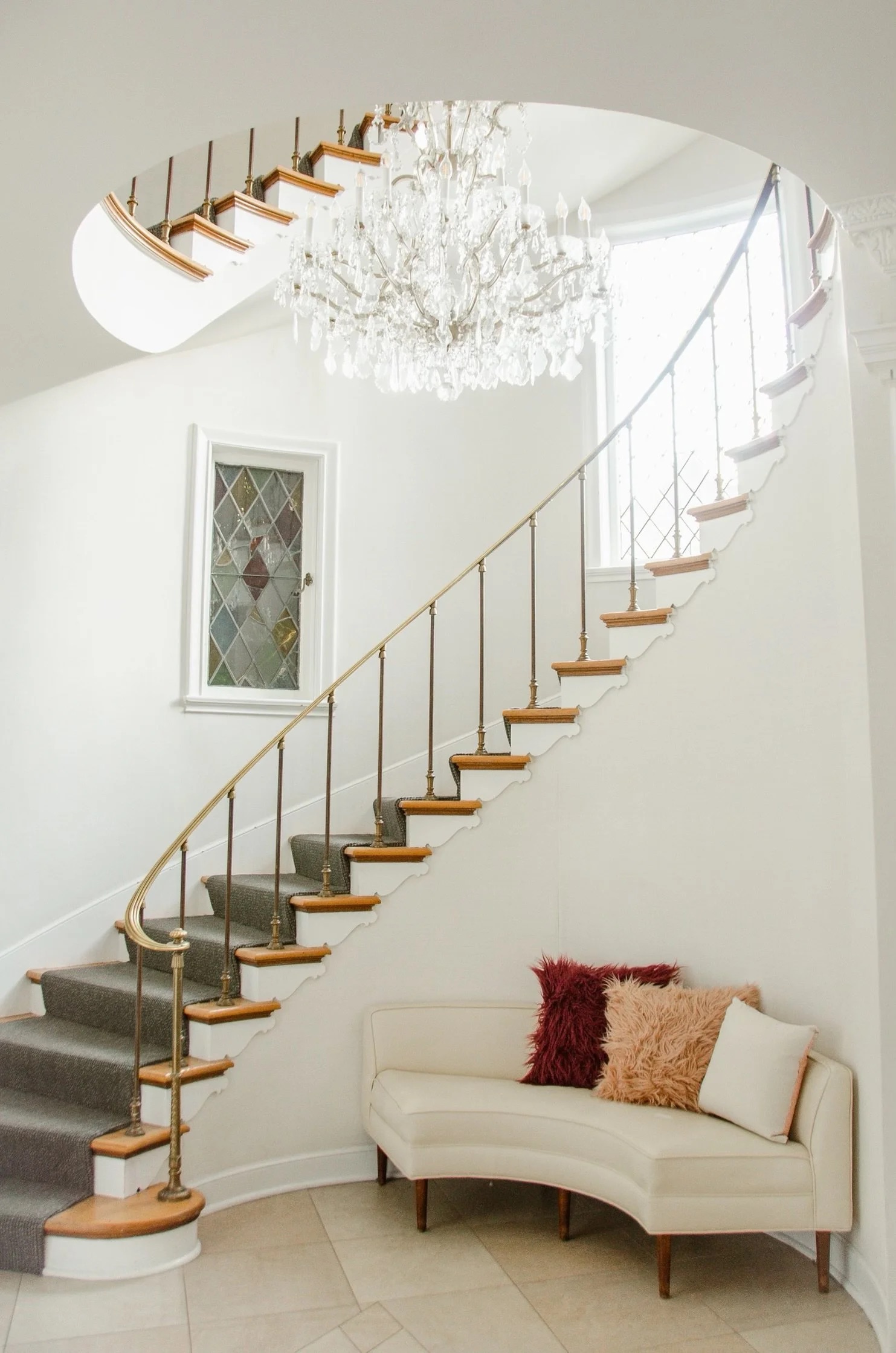
Every chapter has its own personality, but they all have what makes a house a home: late-night talks, shared meals, and the people who become your best friends.
@uwpanhellenic $4500 a quarter, with chefs, cleaners, and homey living spaces? Sign me up! ♬ original sound - UW Panhellenic


One common concern people have about joining is how a sorority will impact their academics. Here's what the data actually shows.
Chapters provide study hours, academic resources, tutoring, and a built-in network of women who've taken your classes. Sorority life doesn't take away from academics — it adds structure and support that helps women succeed.
Recruitment happens before Fall quarter starts for a reason — it's the only path where everything lines up. No double costs. No locked-in contracts. No starting school alone.
When you register for Primary Sorority Recruitment in the fall, your UW dorm contract is automatically canceled and your $500 deposit refunded. But if you choose to join after recruitment ends, your dorm contract is already locked in for the full year — so you'll be paying for both your UW dorm and live-out chapter dues. That's typically $5,000+ more per year, for less.
Primary Sorority Recruitment in the fall is the only path to moving into your chapter house on Bid Day — a full week before classes start. Join afterward and you can't move in at all; your UW dorm contract blocks it. You'd be part of a community you can't actually live with.
Only during Primary Sorority Recruitment in the fall do you visit every one of the 17 participating chapters and see the full range of communities. After Primary Sorority Recruitment ends, you can no longer meet the full community — and you'd be limited to whichever chapters still happen to have open spots, with far fewer ways to find your fit.
You go through Primary with a close-knit member class of new sisters (typically 25–35 women), move in together on Bid Day, and form your strongest friendships right at the start. By the first day of classes, you already have a built-in community walking to class with you — not a friend group to break into later.
Most of these women cannot move into a chapter house because they're already locked into a full-year UW dorm contract — and they end up paying for both the dorm AND sorority membership dues. Primary Sorority Recruitment in the fall is the only way to avoid that.
A common worry: "I'll be surrounded by 100 girls 24/7." Actually it's the opposite — with so many rooms in the home, you get more alone time than you ever would sharing one dorm room with a roommate 24/7. It feels more like a home than a dorm ever could. Here's what your day, your space, and your sisterhood actually look like.
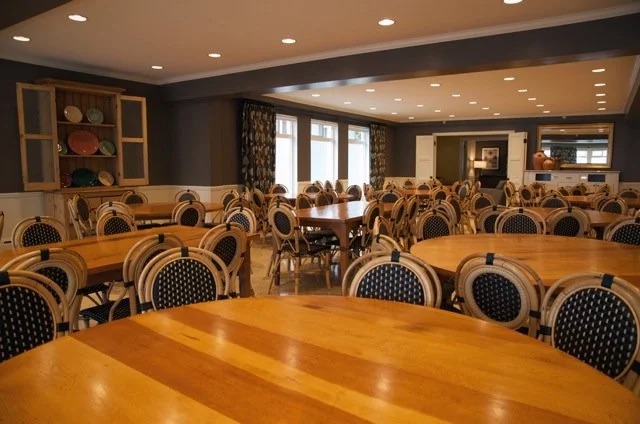
Breakfast, lunch, and dinner are all served in the dining room — typically breakfast from 7:30–9:30 AM, lunch from 11:30–1:30, and dinner from 5:30–6:30. You can either sit down and enjoy your meal in the dining room with sisters or grab a to-go box and take it with you, whatever fits your day better. In between meals, the snack bar is stocked all day with bagels, popcorn, and granola bars. Every meal comes with a salad bar and dietary options so you can build it exactly the way you want. Chefs accommodate gluten-free, vegan, and allergy needs — just let them know. And if you miss a meal entirely because of class, extracurriculars, or a work shift, your chef will save you a "late plate" — a to-go box in the fridge ready for you for when you're back home.
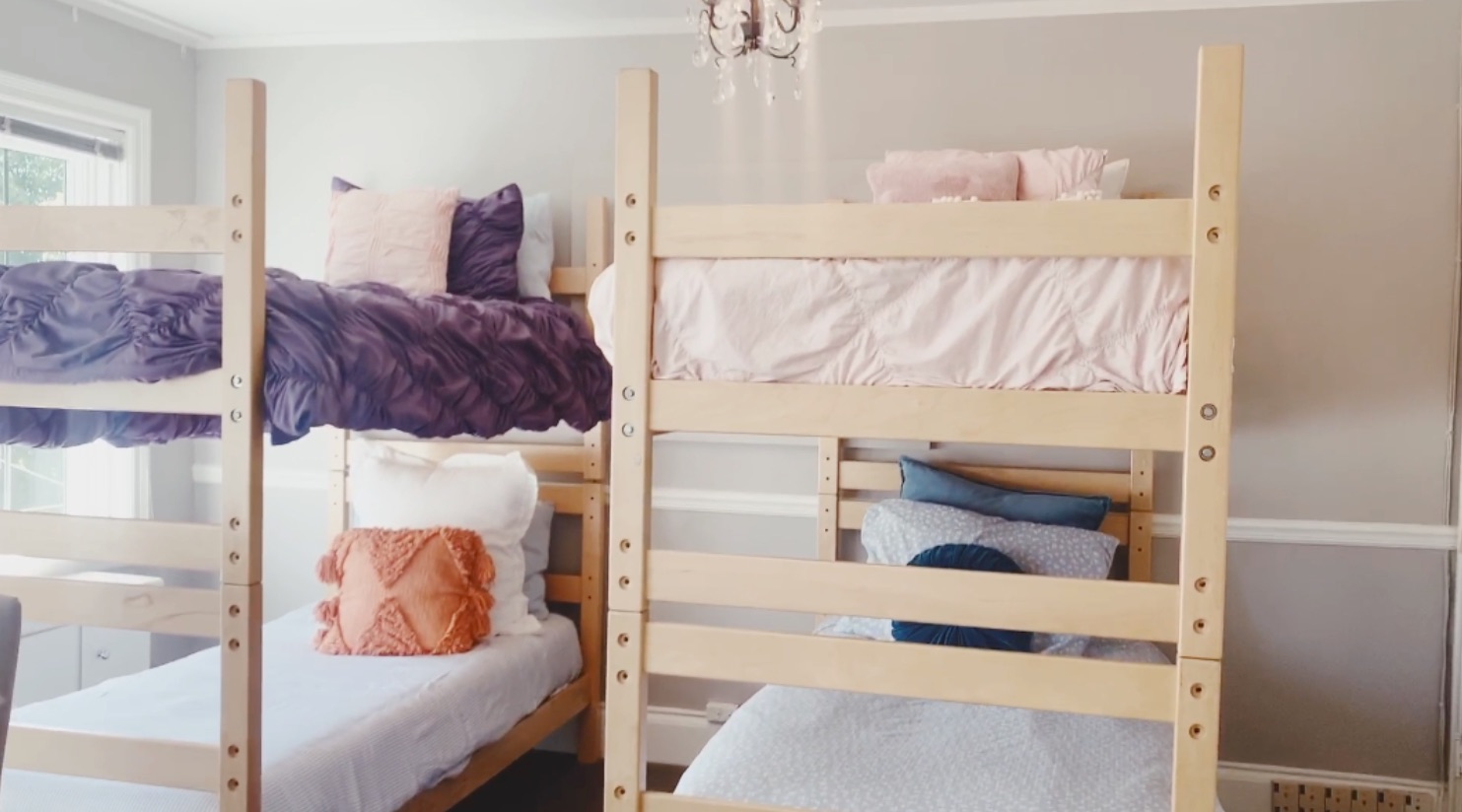
Some chapters have a sleeping porch — a dedicated sleep room with bunk beds, separate from your day room. Most chapters' sleeping porches are 24/7 dark and quiet. The big advantage: you have a room dedicated entirely to rest. If your roommates are studying or hanging out in your day room, you can go take a nap in your bed anytime without disturbing anyone. Sleep separated from social life means you actually rest.
Current first-year members say the same thing — they were nervous at first, then loved it. "I was super scared of the porch when I found out that was a thing. And I love my porch — you sleep so well, trust me," says Catherine. "I thought I was going to hate it at first — but it's so nice to have a totally quiet space to rest," says Morgan.
Most chapters give you a desk, dresser, and closet all in your own room. Many chapters also have out-of-state lockers and basement storage areas for off-season clothes, ski gear, sports equipment, or anything that doesn't fit in your everyday space — a huge perk for members coming from far away.
A lot of incoming students assume living in a sorority house means being surrounded by 100 girls all the time. The reality is much more relaxed. The houses are huge — with so many different rooms and quiet spaces, finding your own time alone is easy. Unlike a dorm where you and your roommate share one room, you're sharing a whole home with women who all have different schedules and busy lives. You'll find yourself with the couch to yourself, the study room empty, or the sun porch all yours more often than you'd expect. It actually feels more like a home than a dorm ever could.
Almost every member walks to campus with sisters from her chapter — same majors, same general direction, same morning. You're never crossing campus alone, and there's something grounding about starting (and ending) the day with someone you live with.
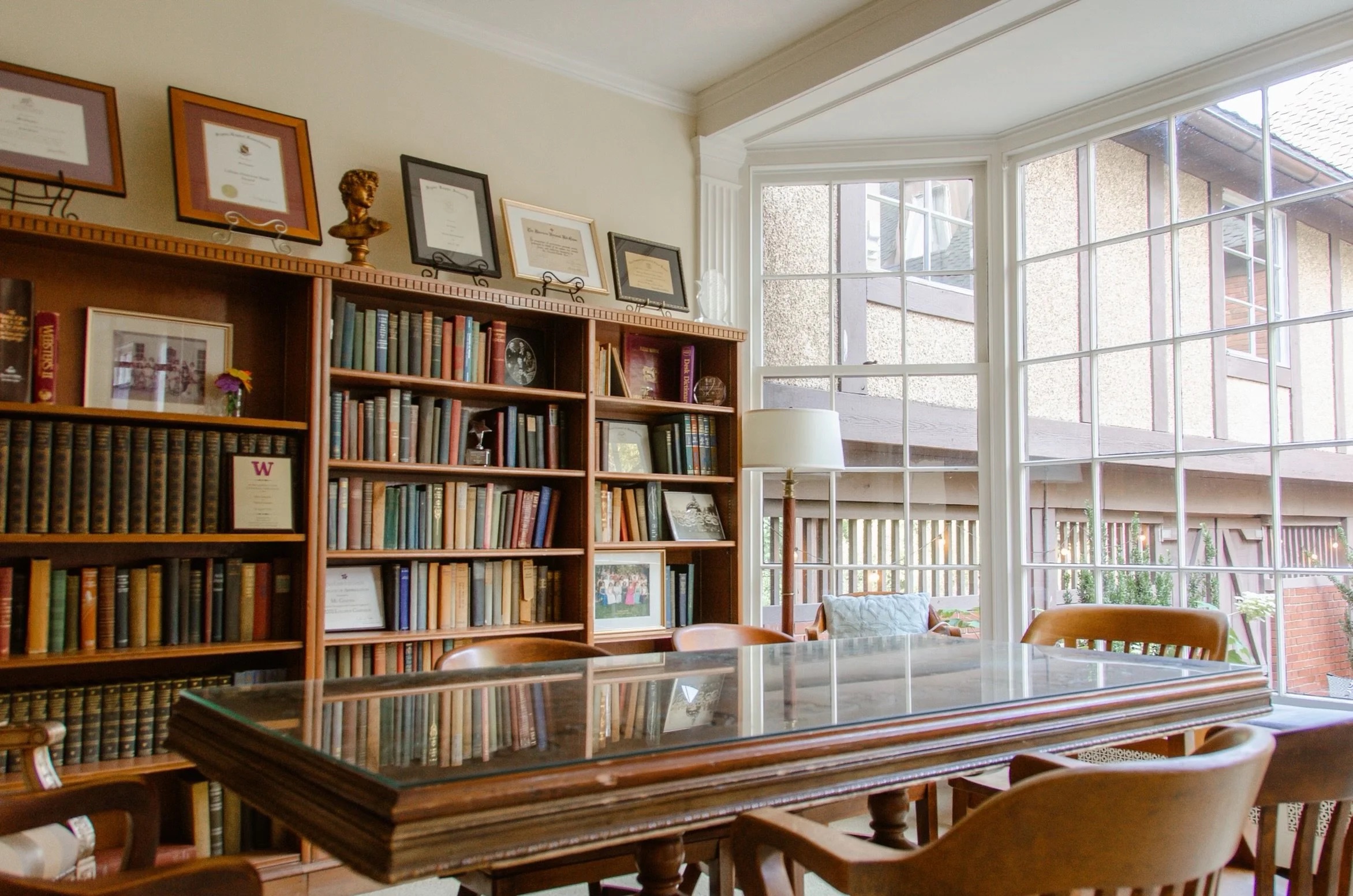
Chapters have study hours, quiet study spaces (study porches, libraries, dining rooms after meals), and — most importantly — a network of older sisters who have already taken your classes. Need help with a Chem 142 problem set or want to swap notes for ECON 201? There's almost always someone two years ahead who can show you the way. UW sorority members consistently outperform the all-undergraduate GPA for a reason.
Beyond living together, chapters have a calendar full of traditions: Big/Little reveals, themed sisterhood nights, philanthropy events for chapter causes, formals, date functions, and house socials. There's always something happening — and never any pressure to attend all of it.
Game days are a tradition — throwing on your chapter's custom Huskies football merch and walking to the stadium together. Weekends also bring brunches, philanthropy fundraisers, sisterhood retreats, and trips downtown. If you'd rather have a quiet weekend in, there's always someone who will want to join you too!
One of the things members say they didn't realize would matter so much: after a long day of classes, walking back to a house full of people who genuinely get it. Need to vent about a hard exam, decompress on the couch with company, or just want a quiet bowl of soup the chef made? It's already there waiting for you.
Coming to UW from far away is so much easier when you land into a community that already feels like home. Out-of-state members regularly say their chapter became their "home away from home" — a Thanksgiving dinner at a sister's home if you're staying in Seattle, rides to the airport, a sister to grab coffee with when you need to talk. You're not building a community alone — you walk into one.
I missed primary recruitment due to a study abroad program last fall. My intended roommate decided to rush, and my only option for last-minute dorming was a four-person room. From the very beginning the dorm living situation was stressful, with four girls in one room with one sink and one shower. Hair dryers waking you up at 8:00 am, the shower running at midnight, and late-night homework sessions with lights on until 4:00 am made it difficult to adjust.
In sorority houses, many have sleeping porches dedicated for quiet times, as well as bathrooms where everyone can get ready together without waking others. My friends in sororities raved about their chefs while the dining halls consistently gave me undercooked food, inaccurate menus, or items containing gluten when I asked for gluten-free.
My friends who joined through primary recruitment described it as finding their home away from home and how they now have a community to go through college with. I tried to join after primary recruitment, but it was difficult to fit in with my busy school schedule and the process took much longer than I expected. Many of my friends spent months trying to join.
At the start of fall quarter, it will be nice to have people in classes to sit with, a group to dress up with and attend football games, and a community to come back to every night. I have decided to do primary recruitment in the fall and am looking forward to a structured, one-week process, where I can meet my future sisters and spend the next four years together.
Most students don't realize they can apply financial aid, scholarships, and 529 plans toward sorority housing and dues. Here's how it works at UW.
That includes federal financial aid, 529 college savings plans, and most outside scholarships. Sorority housing is treated as off-campus housing — which means most aid packages apply directly.
Both apply the same way they would to off-campus housing. If you're on a federal aid package and unsure, ask your financial aid office: "Does my package cover off-campus housing?" If yes, it covers sorority housing. 529 college savings plans cover all chapter expenses from what UW Panhellenic has seen.
If a scholarship is paid as a check or applied to your student account, you can use it for chapter dues. Often it works like this: scholarship money fills your tuition bill first, and any leftover is refunded to your bank account — from there you pay your chapter directly. Talk to your chapter's VP of Finance early to coordinate timing — they're super accommodating and want to help in any way they can.
Most chapters let you split your dues into monthly installments (commonly 3 per quarter) instead of one lump sum. If you need extra time or extra support, just talk to your chapter's VP of Finance — they want to assist in any way they can and are super accommodating to your situation.
UW Panhellenic itself runs a Dues Support Fund for members who need help. Last winter quarter alone, nearly 100 members applied — and the fund covered spring quarter dues for those who received it. It's an annual opportunity.
Have a specific question about your situation? The fastest path is to contact Karen Clegg, UW Panhellenic Advisor directly — she answers families' questions full-time and can help you understand the process before you commit.
Here's what the UW sorority community actually looks like.
UW sorority members consistently outperform the all-undergraduate GPA at UW. With built-in study hours, academic support, and a network of women who've taken your classes — your grades get better, not worse.
Alumnae networks that span industries — mentorship, internships, and job referrals from women who've been where you are.
From philanthropy chairs to chapter presidents — real leadership experience that stands out on a resume.
Everything you've heard about sorority recruitment might not apply here. UW does things differently.
Primary Sorority Recruitment takes place before the quarter begins. It's a weeklong process for PNMs (Potential New Members — the term for women going through recruitment) that starts with a kick-off day and moves through four rounds. Each round helps you and the chapters get to know each other better.
You open your bid, run home to your chapter, and move into your new house — all a full week before classes start.
An orientation-style session for families, hosted by each chapter at the same consistent time across the community so you always know when to plan for it. A virtual option is available for families who can't attend in person.
The big move-in day is Bid Day, Sept 16. Everything else on this list is flexibility for families, dates you can use to drop things off, come back for more, or catch up.
If you can't be there: every new member is assigned a Bid Day Buddy from her chapter who helps her carry stuff in, set up her room, and figure out what she still needs. Older sisters also run Target runs the first few days. She won't move in alone.
My daughter is currently a freshman, and she absolutely loves her sorority sisters and the house. She's excelling in her classes and has already taken on some leadership roles as a freshman, which has been amazing to watch.
I'll be honest, I was skeptical of sorority life at first. Like many parents, I had some preconceived notions. But now, I completely welcome it because I've seen the positive impact it has had on her confidence, friendships, academics, and overall college experience.
For us, it truly helped make a big campus feel smaller and gave her a strong support system right from the start. I'm so grateful she took that step. 💜
You don't have to wait until September to ask questions or meet people. Here are all the ways to plug in over the summer.
UW Panhellenic hosts a session during the "How To Husky" breakout at every advising and orientation session. Recruitment vice presidents are there in person to answer questions and connect with you.
The fastest way to ask a quick, informal question is to DM @uwplc (current first-year students on the Panhellenic Leadership Council) or @uwpanhellenic (the official Panhellenic account). Real students reply.
Once you register for recruitment and Recruitment Counselors finish training, your RC will reach out over the summer so you have a current member to ask informal questions before recruitment week even starts.
Have a specific question you'd like answered at a future Q&A session? Submit it through our Google Form and we'll address it on the next call.
Karen Clegg is UW Panhellenic's full-time advisor and answers questions from families directly. Especially helpful for parents.
Email: cleggk@uw.edu · uwpanhellenic@gmail.com
Phone: (206) 543-1810
Anyone you know who's already in a UW chapter is a great resource — Panhellenic members love sharing their experience. If you know someone, reach out for coffee, lunch, or a Zoom this summer.
Everything you need to know about registering for Primary Sorority Recruitment, from what to prepare to what each step of the application looks like.
The link goes directly to the official Campus Director registration portal.
Here are the most common questions from incoming freshmen and parents.
Hear from current UW freshmen, Panhellenic & OFSL representatives, alumni, and recruitment advisors. No pressure — just real answers.
Can't make the next Q&A? Sign up anyway — we'll invite you to future sessions and send you the recap.
Sign Up & Stay Connected →